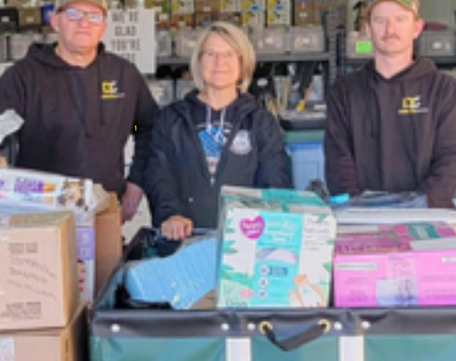
Deploy. Connect. Deliver.
When a deployment begins, the Disaster Task Force transitions from planning to action. Teams travel to affected communities, verify conditions on the ground, coordinate with the Deployment Operations Center, and deliver assistance where it is needed most.
When disaster strikes, showing up is only the beginning. Guided by information gathered during the pre-deployment process, the Disaster Task Force deploys to affected communities to verify conditions, identify unmet needs, deliver assistance, and support local recovery efforts. From the moment a team deploys until it returns home, deployed personnel and the Deployment Operations Center remain connected through real-time communication, ensuring every decision is informed, every resource is purposeful, and every opportunity to help is maximized.
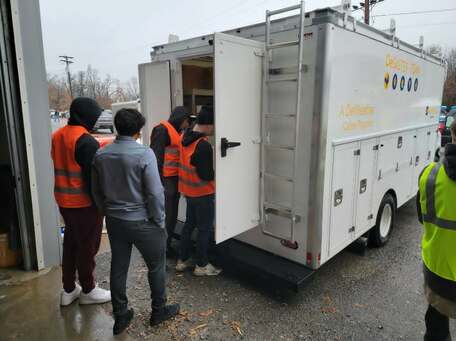
With planning complete and resources loaded, the Disaster Task Force begins its journey to the affected area. Deployments can range from a single-day operation to a multi-state mission spanning several days and thousands of miles.
Whether responding to severe weather, flooding, hurricanes, wildfires, winter storms, or other emergencies, the objective remains the same: arrive safely, arrive prepared, and be ready to help.
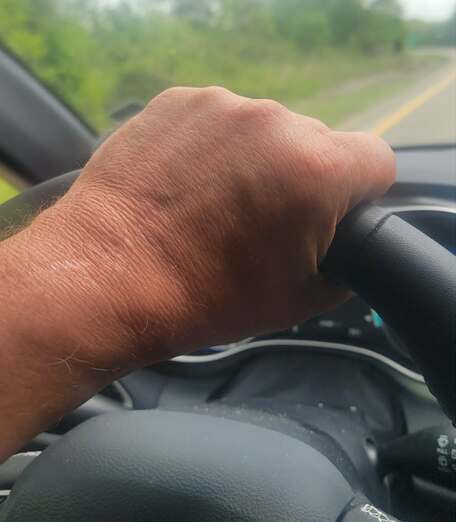
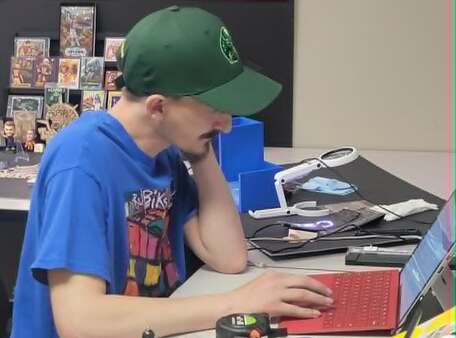
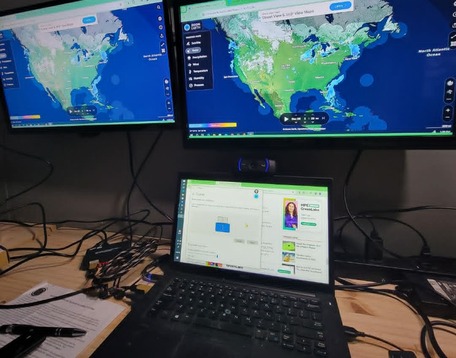
From the moment a deployment begins until the team returns home, deployed personnel remain connected to the Deployment Operations Center through Discord. This serves as the primary communication platform between field teams and Disaster Task Force members supporting the mission from home.
Through Discord, team members share updates, photos, weather information, damage reports, logistical needs, and changing conditions in real time. This constant flow of communication allows the Operations Center to assist with navigation, monitor developing situations, provide research and intelligence, and help coordinate decisions throughout the deployment. While some team members are on the road, others are actively supporting the mission from behind the scenes.
our goal is to arrive prepared and ready to help.
Once needs are confirmed, assistance begins moving into the community. Depending on the mission, this may include CaresKits, Bennett Boxes, Scotty Packs, Trixie Packs, pet food, supplies for emergency responders, relief items, or Task Force Breaks trading cards for children impacted by disaster.
Every distribution is intentional. The goal is not simply to hand out supplies, but to ensure the right resources reach the people and organizations that need them most.
Disasters are dynamic, and no deployment unfolds exactly as planned. Conditions change, new information emerges, priorities shift, and opportunities to help often appear unexpectedly.
The Disaster Task Force remains flexible throughout every operation, adjusting routes, schedules, objectives, and resources as needed. This ability to pivot allows the team to respond to real-world conditions rather than relying solely on the original plan.
Throughout the deployment, the Disaster Task Force documents impacts, observations, distributions, and operational activities. Photos, reports, notes, and field observations help create an accurate record of the mission and the communities served.
This documentation provides accountability to supporters, improves future operations, and helps tell the story of the people, communities, and responders working through the recovery process.

Every deployment is different. Communities, disasters, needs, and challenges all vary. What remains constant is our commitment to showing up when and where help is needed.
Whether supporting a small rural town, a volunteer fire department, an evacuation shelter, or a family rebuilding after disaster, the Disaster Task Force exists for one purpose: to help people and communities impacted by disaster.
Because showing up matters.