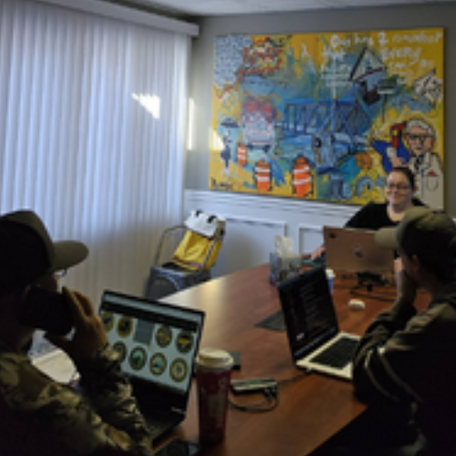
Monitor. Assess. Confirm. Plan.
Before every deployment comes preparation.
We monitor developing situations, assess impacts,
confirm needs, and build a plan to ensure help
reaches the right place at the right time.
The pre-deployment phase of the Disaster Task Force operations involves monitoring severe weather, assessing damage and determining any needs compelling a Disaster Task Force deployment to impacted areas. Once these tasks are completed, a determination is made whether a deployment is required. If so, confirmation is made to ensure appropriate needed supplies and equipment are available to be deployed, and planning begins.
Monitoring is often the first step in a deployment. Long before supplies are loaded and wheels begin turning, the Disaster Task Force closely monitors severe weather, flooding, wildfires, winter storms, and other emergencies across the country. We review forecasts, emergency management information, media reports, social media activity, and direct requests for assistance to identify developing situations and determine where support may be needed. This continuous monitoring helps us stay informed, anticipate impacts, and prepare to act when communities need help most.
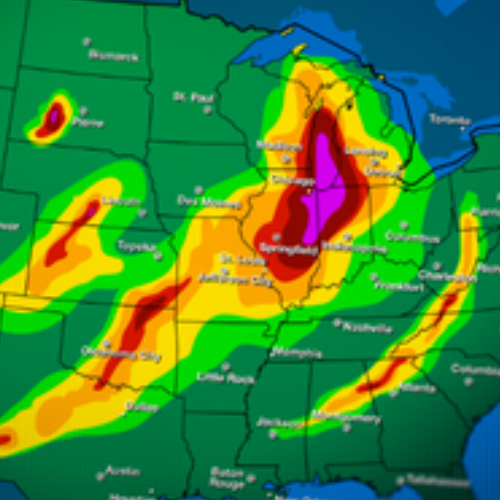
Monitoring tells us where an event is occurring. Assessment helps us understand what it is actually doing. As reports begin to emerge, the Disaster Task Force maps and tracks impacts in real time, documenting tornadoes, flooding, wind damage, power outages, infrastructure failures, and other hazards. By combining weather data with damage reports, local information, and field intelligence, we build a clearer picture of the situation as it unfolds. This assessment process helps us identify the hardest-hit areas, recognize overlooked communities, and determine where assistance may be needed most.
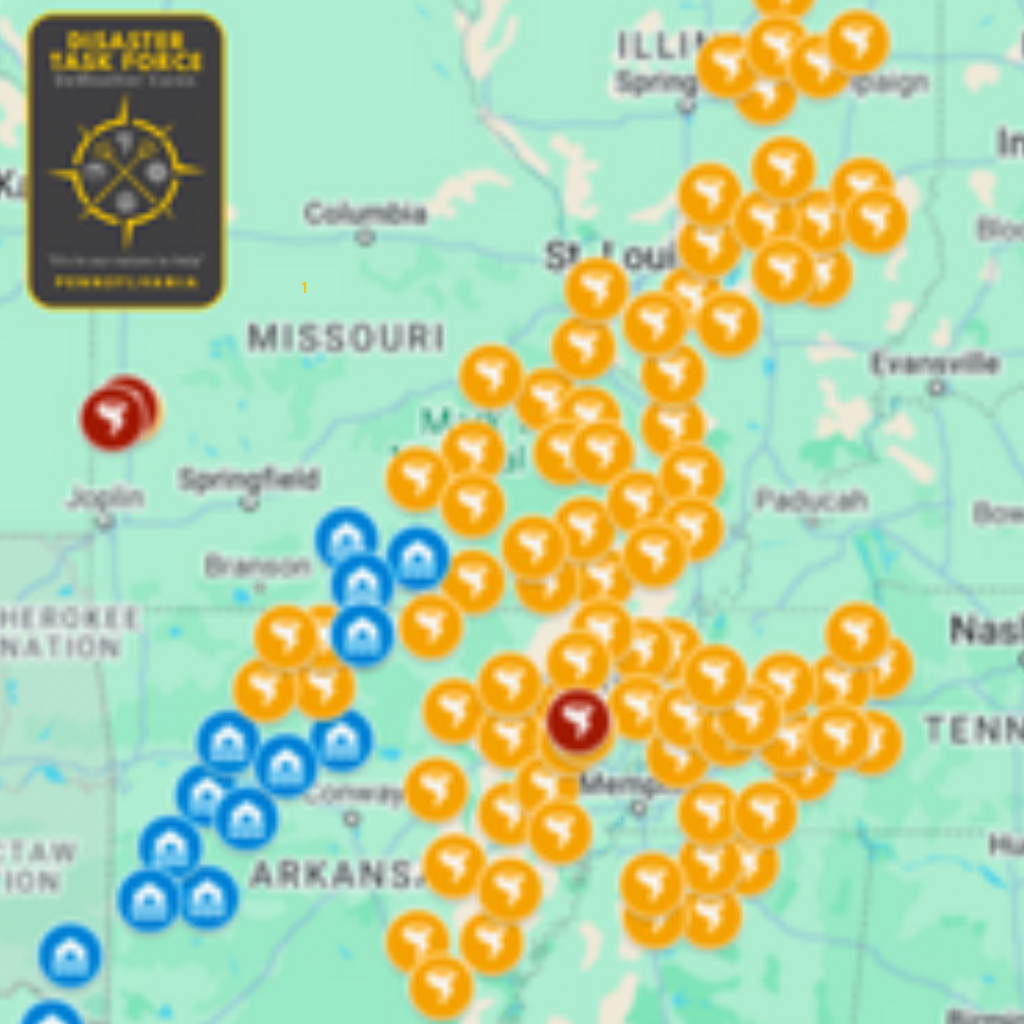
Before committing resources or launching a deployment, we work to confirm what is actually needed on the ground. Information during and immediately after a disaster can be incomplete, outdated, or inaccurate, so we scour online resources, snd communicate directly with emergency services agencies, emergency managers, community leaders, organizations, and residents whenever possible.
This process helps us separate assumptions from reality, verify reported impacts, and identify specific needs. By confirming needs before we deploy, we can provide targeted assistance and ensure our resources are directed where they will have the greatest impact.
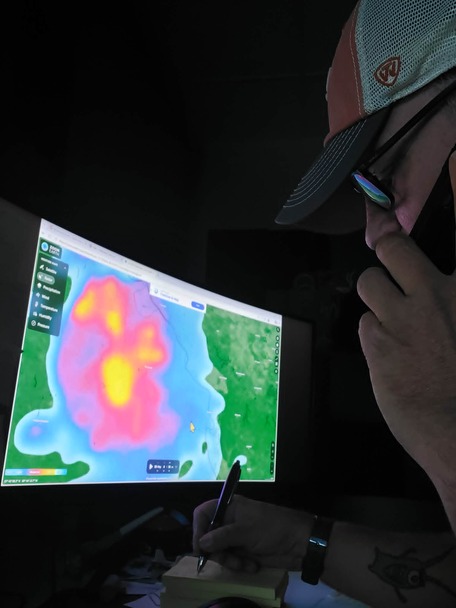
Once needs have been confirmed, the Disaster Task Force begins building a deployment plan. Routes are mapped, destinations are identified, and logistics are coordinated to ensure we can respond expeditiously and efficiently. Every deployment is tailored to the specific disaster, the communities affected, and the needs that have been identified through our assessment process.
Planning allows us to maximize every mile, every dollar, and every hour in the field. Our goal is simple: arrive quickly and prepared, remain flexible, and be ready to adapt as conditions change.
In disaster response, the plan is important—but so is the ability to pivot.