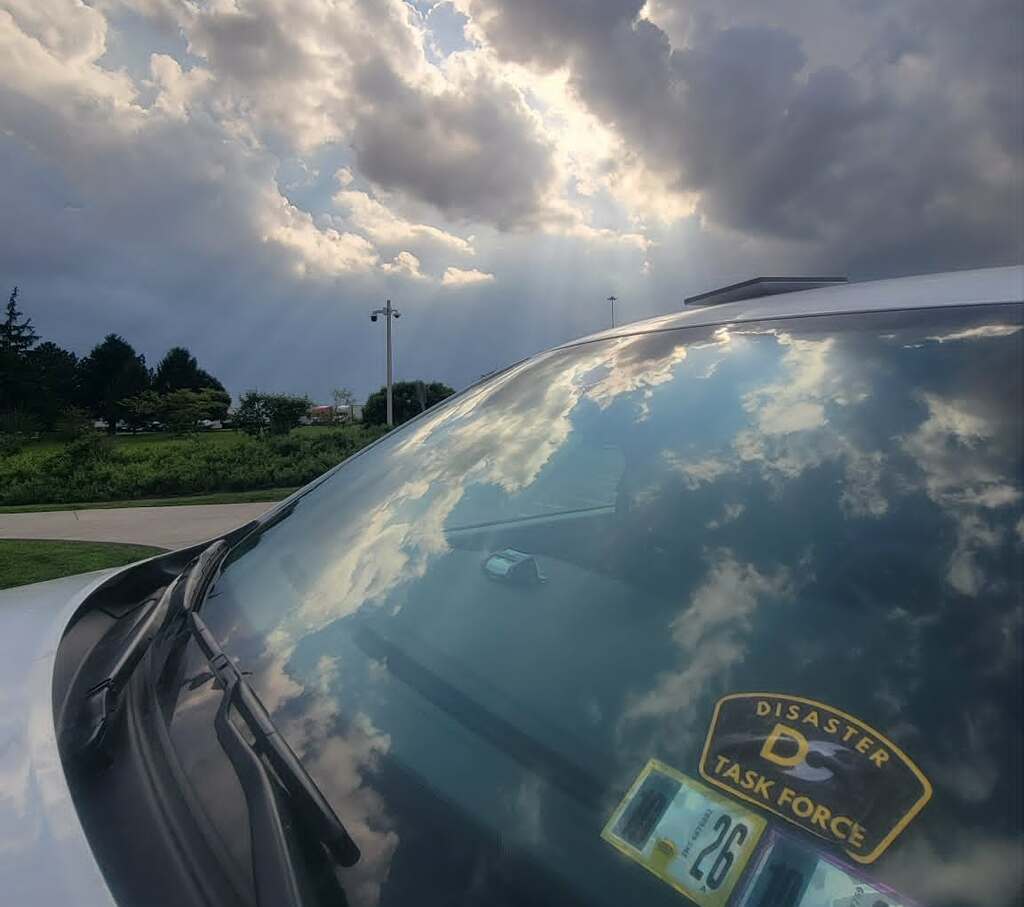
Return. Review. Reset.
The deployment may be complete, but the work
continues. As the Disaster Task Force returns to headquarters, teams begin evaluating the mission, documenting results, analyzing costs and performance
and preparing lessons that will help make future deployments even more effective.
When disaster strikes, showing up is only the beginning. Guided by information gathered during the pre-deployment process, the Disaster Task Force deploys to affected communities to verify conditions, identify unmet needs, deliver assistance, and support local recovery efforts. From the moment a team deploys until it returns home, deployed personnel and the Deployment Operations Center remain connected through real-time communication, ensuring every decision is informed, every resource is purposeful, and every opportunity to help is maximized.
A deployment does not end when supplies are delivered. As the Disaster Task Force begins the journey back to DeWeather Headquarters, volunteers continue monitoring travel progress, tracking expenses, updating deployment records, and ensuring the team returns home safely. Even during the trip home, information continues to be collected and reviewed.
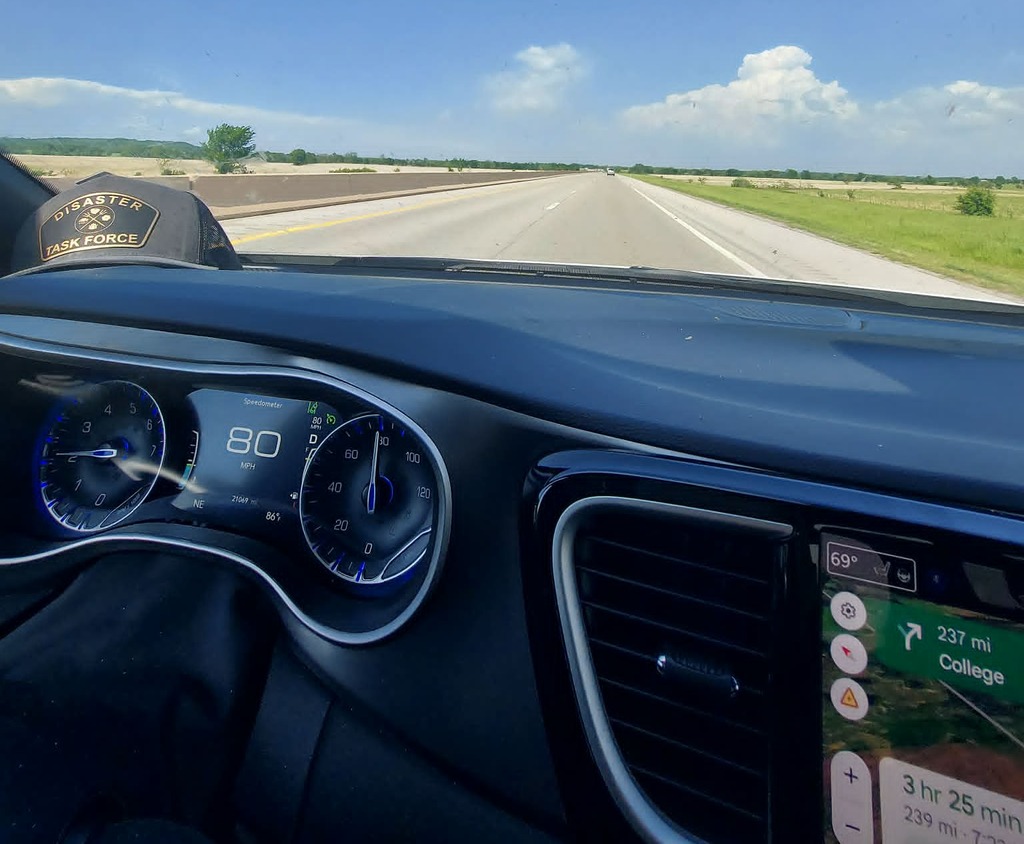
Once the team returns to headquarters, a deployment debrief is conducted. Mileage, travel time, fuel costs, lodging expenses, supply purchases, deployment decisions, route selections, and operational outcomes are reviewed. The goal is simple: determine what worked well, identify opportunities for improvement, and ensure future deployments are even more effective.

Every deployment provides valuable lessons. By evaluating mileage, travel time, expenses, logistics decisions, safety considerations, and overall mission effectiveness, the Disaster Task Force continually refines its processes and procedures. The goal is simple: become more economical, more efficient, more expeditious, and safer with every deployment.
By analyzing both the numbers and the outcomes, we identify opportunities for improvement and determine whether decisions could have been made differently. The deployment may be over, but the lessons learned help strengthen the next deployment long before it begins.
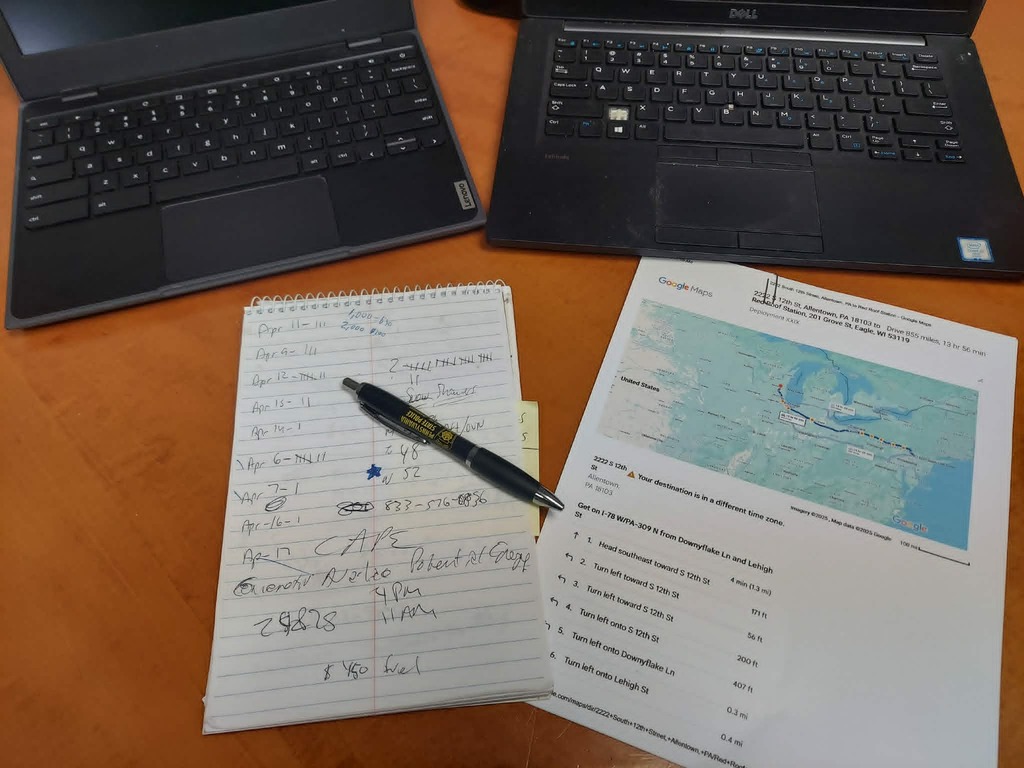
Resetting is not just about equipment and supplies—it is also about people. Deployments can be physically demanding, emotionally taxing, and mentally exhausting for both the Disaster Task Force members in the field and the volunteers supporting operations from the Deployment Operations Center. After-action reviews are completed, lessons are documented, and team members are given an opportunity to decompress, unwind, and recover before the next deployment. Readiness depends not only on supplies and equipment, but also on ensuring the people behind the mission are ready, too.